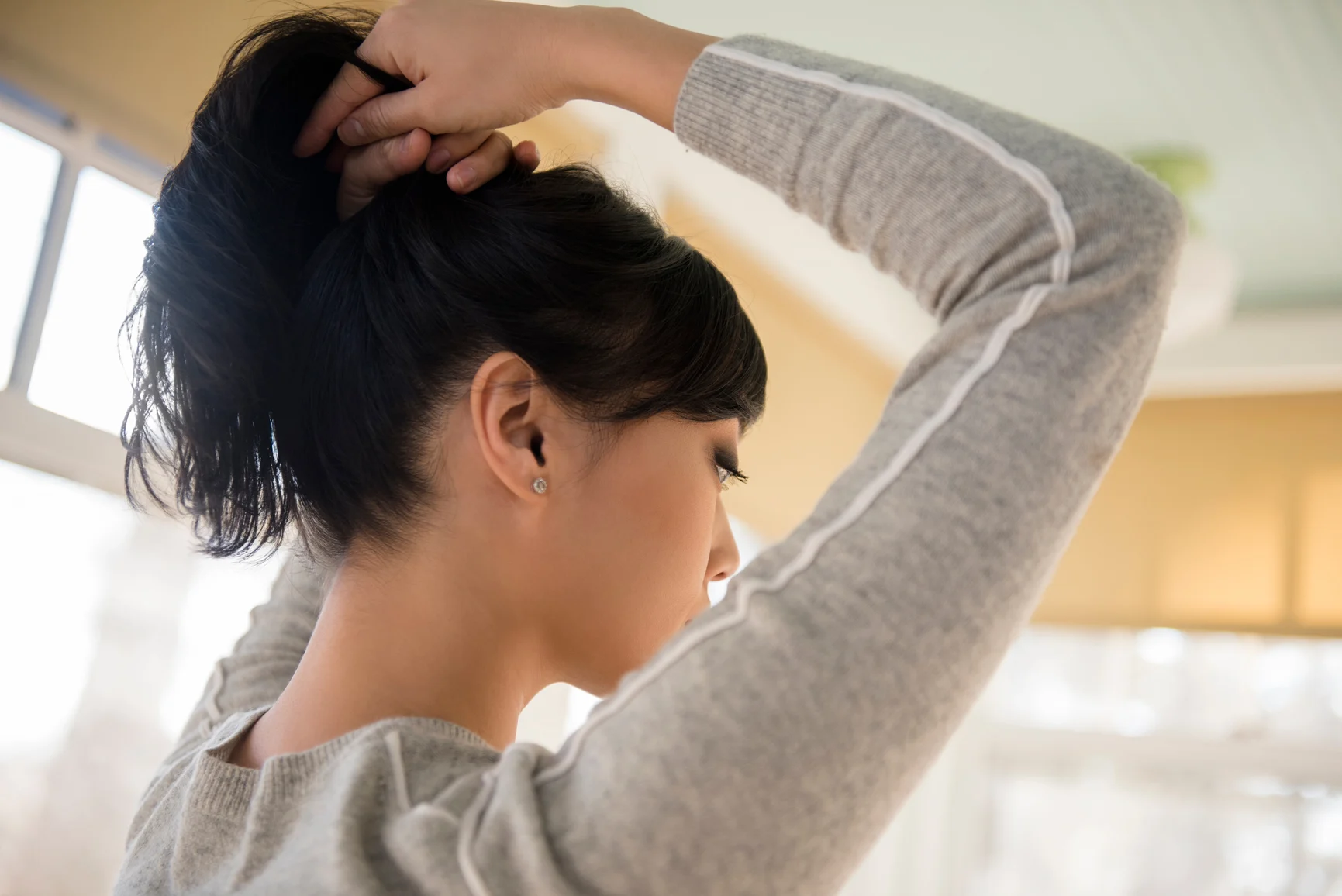
Hair Loss After Weight Loss: Why It Happens and What Helps
Losing weight but losing hair too? It's more common than you'd think, and usually temporary. Find out why it happens, how GLP-1 medications fit in, and what you can do to help your hair bounce back.
Reviewed by Holly Wood, MPharm IP
Written by Editorial Team
Published Oct 2, 2026
Noticing more hair in the shower or on your hairbrush after working so hard to lose weight can feel unfair and alarming. The most common reason is telogen effluvium, a temporary, all-over shedding that can happen following rapid weight loss, illness, surgery or physical stress. It often begins 2 to 4 months after the trigger, so the connection can be easy to miss.
Reassuringly, telogen effluvium usually improves once your weight and nutrition stabilise. Below, we explain why it happens, what you can do to reduce its impact and when it deserves a closer look, including if you take weight loss medications like Mounjaro® or Wegovy®.
Why Does Weight Loss Cause Hair Loss?
Noticing changes in your hair after weight loss can be puzzling, but there is a biological explanation. It’s called telogen effluvium, which is a temporary shift in the hair-growth cycle that can cause increased hair shedding rather than permanent damage to the hair follicles.
Hair moves through a growth cycle made up of 4 distinct stages*:
Anagen phase – This stage lasts between 2 and 8 years and is the growth stage. During this phase, hair grows around 1cm per month, and up to 90% of scalp hair is in this phase at any given time.
Catagen phase – This phase occurs when the anagen phase ends; growth stops, and the hair follicles shrink, lasting up to 2 weeks. Hair in this phase detaches from its blood supply, but remains in place.
Telogen phase – Also known as the resting phase, this stage can last for 3 months. During this time, no hair growth happens, but after periods of physical stress, including weight loss, more hairs can enter this resting phase.
Exogen phase – This is when old hair sheds from the scalp and can result in the loss of 50 to 100 hairs every day. Once the hair has shed, new hair can grow, and the cycle begins again.
When your body goes through significant stress or changes, including weight loss, reduction in calorie intake or low intake of specific nutrients, more follicles can be sent into the resting phase at the same time. As a result, the resting hairs may shed 2 to 4 months after the initial trigger. So your hair may look fine during weight loss but seem thinner months later. This makes it easy to miss the connection between weight loss and hair loss, leading you to think something else is going on.
Telogen effluvium causes shedding across your scalp, so you may notice your ponytail looks thinner or your parting has widened. Smooth bald patches, scarring or a painful, inflamed scalp suggest another problem and need checking with your GP.
* Natarelli N, et al. (2023). Integrative and Mechanistic Approach to the Hair Growth Cycle and Hair Loss.
How Long Does It Last?
Telogen effluvium is temporary, and the shedding phase usually lasts 3 to 6 months, while visible recovery can take longer.* In some cases, it can take 6 to 12 months for your hair to regain its full volume. However, the good news is that shedding caused by rapid weight loss is temporary and usually improves once your body has adjusted to your new weight and lifestyle.
*British Association of Dermatologists. (2025). Telogen effluvium.
Hair Loss From GLP-1 Medications (Mounjaro® or Wegovy®)
If you’re taking a GLP-1 medication and noticing shedding, you’re not alone – this is a recognised and usually temporary effects. Hair loss is a reported side effect of GLP-1-based weight loss medications, and it is listed as a common side effect of Wegovy® and Mounjaro®. In clinical trials, 5.3% of people given the highest 7.2mg dose of Wegovy® injection* and 4.9% of people treated with Mounjaro®⁺ reported hair loss. For most people, hair loss was mild, and they recovered while continuing their weight loss treatment.
*emc. (2026). Wegovy 0.25 mg, FlexTouch solution for injection in pre-filled pen.
⁺emc. (2026). Mounjaro KwikPen 2.5mg solution for injection in pre-filled pen.
Is this a side effect of the medication, or the weight loss itself?
It is unlikely your weight loss medication is causing hair loss directly. Instead, telogen effluvium can be caused by physical stress, including rapid weight loss, reduced energy intake or inadequate nutrition. Appetite suppression, one of the main ways weight loss medication works, can make it easy to eat too little protein, iron-rich foods or food overall.
So, it is unlikely that the medication you are taking is responsible for thinning or shedding hair, but rather for how quickly your body is losing weight. This can disrupt your hair’s normal growth cycle, causing more hairs to enter their resting phase and leading to hair loss.
Does this happen with all GLP-1 medications?
No. Hair loss is not listed as a side effect of Nevolat®* or the type 2 diabetes-approved GLP-1 injection, Ozempic®.⁺ It’s also not guaranteed that everyone who takes GLP-1 medications will experience hair loss, because it’s not thought to be a direct side effect, but rather a result of rapid weight loss.
If you are concerned about the possible link between GLP-1 medications and hair loss, speak to your clinician before starting treatment.
*emc. (2026). Nevolat 6 mg/ml solution for injection in pre-filled pen.
⁺emc. (2026). Ozempic 0.5 mg solution for injection in pre-filled pen.
Nutritional Deficiencies Linked to Hair Loss During Weight Loss
When energy or certain nutrients are scarce, your body may prioritise other tissues over hair growth, resulting in increased shedding and hair loss. Eating a balanced, varied diet matters, and you should avoid and treat genuine deficiencies to support healthy hair.
Some of the most important nutrients for hair growth are:
Protein – Hair is largely made up of a special protein called keratin.* A very low protein intake or poor absorption can contribute to increased shedding.
Iron – Iron deficiency is a recognised cause of hair loss.⁺ Factors like heavy periods can increase the risk of iron deficiency, and low iron levels may have been present before weight loss began.
Zinc – Zinc is essential for cell growth and tissue repairⱽ, and deficiency can contribute to increased shedding. However, high zinc intake can also cause health issues, including copper deficiency.
Vitamin D – Because vitamin D stimulates hair follicles and regulates the hair growth cycle, low levels can lead to increased shedding and thinning hair.ˣ
Biotin – Biotin deficiency is linked to hair loss, but true deficiency is uncommon, especially in people who eat a balanced diet.⁻
*Yang F et al. (2014). The structure of people's hair.
⁺Olsen EA, et al. (2010). Iron deficiency in female pattern hair loss, chronic telogen effluvium, and control groups.
ⱽLin PH, et al. (2017). Zinc in Wound Healing Modulation.
ˣSaini K, et al. (2021). Role of vitamin D in hair loss: A short review.
⁻Moltó Balado P, et al. (2026). Effectiveness of biotin supplementation for hair growth in patients with alopecia: a systematic review.
Reducing Your Risk of Hair Loss During Weight Loss
Although you can't prevent every case of telogen effluvium, you can reduce the stress rapid weight loss puts on the body and minimise the chance of thinning hair or hair loss. Your weight-loss plan, whether it includes GLP-1 medications or not, should provide all the nutrition your body needs and be sustainable. Here are some of the practical things you can do to reduce your risk of hair loss while losing weight:
Losing weight at a gradual, sustainable pace
A recommended, sustainable weight loss target is 0.5 to 1kg per week.* Faster loss can happen earlier during weight loss treatment, especially as the body loses water, but hair loss can be a sign that you are losing weight too quickly. The aim is not the fastest possible result, but safe and sustainable losses that also support adequate nutrition.
If you are losing weight faster than planned, feel weak or struggle to eat because of weight loss medication side effects, such as nausea, vomiting or diarrhoea, speak to your clinician for further advice.
*NHS. (2026). Overweight and obesity in adults.
Getting enough protein, iron, and zinc
Diet is an important factor in supporting your hair health, especially on your weight loss journey. Losing weight quickly can affect how your body absorbs and uses nutrients from food. It is important that you make sure you are getting enough:
Protein at every meal, such as lean meat, eggs, fish, poultry, yoghurt, tofu, beans and lentils
Iron-rich foods, particularly red meat, pulses, fortified cereals and leafy green vegetables – pair plant-based iron sources with vitamin C to support iron absorption
Vitamin D to promote hair growth, which is best sourced from sunlight, but can be supplemented or found in a few foods such as mushrooms and fortified cereals
If you’re struggling to meet your nutritional needs through your diet, you may need to take supplements. However, avoid high-dose iron or zinc because it can be harmful. Speak to your Hers clinician before starting any new supplements while taking GLP-1 weight loss medications.
Biotin and hair supplements
Biotin is widely promoted as a hair loss supplement, but unless you have a biotin deficiency, it likely won't help.* Instead, biotin and mixed hair supplements should be viewed as supportive products and not as primary treatments for female pattern hair loss or substitutes for correcting inadequate nutrition. You can find out more in our guide “Does Biotin Help Hair Growth? What the Evidence Actually Shows”.
Little evidence shows biotin improves hair growth unless you are deficient. High-dose biotin can also interfere with blood tests, including some thyroid and hormone tests, and produce misleading results. It’s important that you let your clinician know if you are taking any supplements, including biotin, before starting weight loss treatment.
*Yelich A, et al. (2024). Biotin for hair loss: teasing out the evidence.
Scalp care and stress management
Although you may be anxious about washing or brushing your hair for fear it may cause further shedding, it’s important to keep caring for your scalp. Washing your hair does not cause telogen effluvium, it just releases hairs that were ready to shed. Continue washing your scalp as often as it needs with a gentle shampoo.
While your hair feels fragile, try to avoid:
Very tight hairstyles, such as braids, plaits, ponytails and cornrows
Harsh bleaching or chemical treatments, such as dyes and perms
Repeated high heat from hair dryers and straighteners
Vigorous brushing and combing
Sustained stress can also trigger hair loss. Prioritising sleep, getting regular exercise and seeking psychological support may not automatically regrow your hair, but they can support your general recovery and make this period of your weight loss journey easier to manage.
Hair loss treatments such as shampoos
No shampoo can reverse telogen effluvium. Volumising products may make your hair look fuller, while medicated shampoos can treat a separate scalp problem such as dandruff.
Minoxidil may be appropriate if male or female pattern hair loss is also present, but it isn't automatically needed for a short-lived episode of telogen effluvium. It can cause initial shedding and requires consistent use, so get a diagnosis before starting hair loss treatment.
How Hers Can Help
Get started by completing a free hair assessment and a Hers clinician will review your hair goals and health history to personalise a treatment plan to you.
Hair loss can be alarming and in some cases may need further investigation. Book an appointment with your GP if your shedding continues beyond 6 months, is getting worse or is causing you significant distress, particularly if you have:
Clearly defined bald patches
Loss of your eyebrows or eyelashes
Scalp pain, redness, heavy scaling, spots or scarring
Marked tiredness, breathlessness or palpitations
Feelings of being unusually cold or experiencing changes in your periods
Symptoms of nutritional deficiency or difficulty eating enough
Ongoing vomiting, diarrhoea or very rapid weight loss
Hair loss after bariatric surgery without planned nutritional follow-up
A clinician may examine your scalp and review your weight change, medications, periods, diet, recent illnesses and family history. Depending on the overall picture, blood tests may check for problems such as iron deficiency or thyroid disease.
FAQs
Is hair loss from weight loss permanent?
Not usually.Telogen effluvium is temporary, and your hair follicles are still capable of producing new hair. Shedding often settles once the trigger has passed and your nutrition and weight stabilises. However, it can take 6 to 12 months, or longer in some cases, to recover your previous hair density.
How much weight loss causes hair loss?
There is no single kilogram or percentage threshold that causes hair loss. The risk depends on how quickly your body changes, how sharply your food intake falls and whether illness, surgery, stress or nutritional deficiency is also present. Two people can lose the same amount and experience very different hair responses.
How long does GLP-1 hair shedding last?
When GLP-1-associated shedding is telogen effluvium, it commonly lasts a few months and improves as weight loss slows and nutrition improves. Fullness takes longer to return because new hair grows slowly. Contact your clinician if shedding persists beyond 6 months, becomes patchy or accompanies difficulty eating.
How can I thicken my hair after weight loss?
Start by stabilising your nutrition, eating enough protein and addressing any confirmed deficiency. Treat your hair gently while it regrows. Cosmetic fibres, a shorter cut or volumising products can improve its appearance in the meantime. If thinning follows a widening-part pattern or does not recover, ask a clinician about other diagnoses and treatments.
What does normal hair shedding look like for a woman?
It varies.It is normal to lose roughly 50 to 100 scalp hairs a day, although the amount you notice varies with hair length and washing frequency. A clear increase, handfuls in the shower, a smaller ponytail or a widening part may signal excess shedding. The change from your own normal matters more than counting every hair.
Moltó Balado P, et al. (2026). Effectiveness of biotin supplementation for hair growth in patients with alopecia: a systematic review. https://www.mdpi.com/2673-6179/6/2/17