
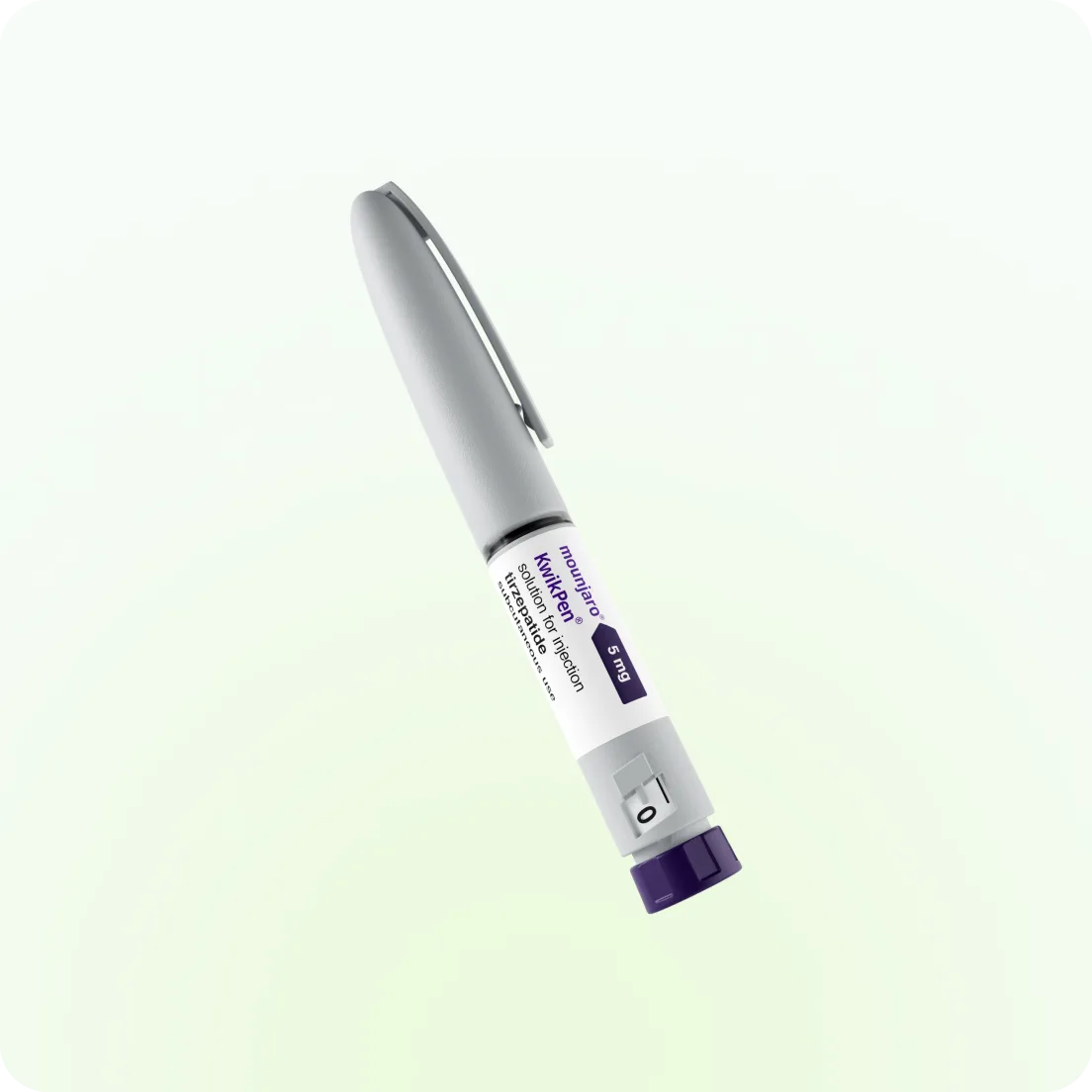
Mounjaro® through Hers
Mounjaro® can help you lose up to 22.5% of your body weight when combined with diet and exercise. (1)
FAQ
Meet Mounjaro®
Mounjaro® is a weight loss treatment approved in the UK to work on both GIP and GLP-1 hormone pathways involved in appetite and blood sugar. This dual action can help you feel less hungry, stay fuller after eating, feel satisfied with smaller portions and it may improve insulin sensitivity.
How it works
Mounjaro® works alongside diet and exercise to make weight loss feel more manageable. It helps you feel less hungry, get full sooner, and quiet persistent thoughts about food that can consume your thoughts, called food noise.
Hers weight loss treatment
Partner with clinicians to customise your treatment plan.
If eligible, your treatment will be delivered directly to your door with your side effect kit and weight loss starter pack.
Access to unlimited 24/7 support and ongoing check-ins with registered clinicians
Track your progress and access expert led content on nutrition, exercise and more via your Hers App.
Actual price will depend on plan duration. Requires an online consultation with a clinician who will determine if treatment is appropriate.
(1) In a 72-week trial of tirzepatide (Mounjaro® 15mg), SURMOUNT-1, in adults with obesity, or overweight with weight-related conditions, alongside a reduced-calorie diet and increased exercise.
Lose up to 22.5% of your body weight with Mounjaro
You’ve heard promises before, here’s the evidence instead. Trials show that Mounjaro® can help people achieve significant weight loss and an average waist reduction of 18.5cm. 1
1 With a reduced-calorie diet and increased exercise, in a 72-week trial of tirzepatide (Mounjaro® 15mg), SURMOUNT-1, in adults with obesity, or overweight with weight-related conditions. Individual results vary.
How to achieve the best results with Mounjaro®
Feeling less hungry is part of how Mounjaro® works.
To achieve sustainable weight loss, the aim is to eat a bit less than your body needs, not as little as possible. Prioritising protein and eating an adequate amount helps protect your muscle mass whilst on your weight loss journey. Staying hydrated and moving regularly matter too.
Protein, at most meals. It helps protect your muscles while your weight changes.
Water, spread through the day. Little and often is easier on your digestion than a lot at once. Aim for at least 2 litres a day.
Movement, at your own pace. Weight-bearing activity, like walking or dancing and strength training protect muscle and bone, especially as you get older. A gentle daily walk counts too.
A changing body can bring you feelings you didn’t expect, whether the change comes fast or slow. With Hers, you don’t have to make sense of that alone. Your Care Team can help you build a plan that fits your life and adjust it as you go.
How well does Mounjaro® work for women?
If you are wondering whether the widely quoted 22.5% weight loss result holds up for someone at your stage of life, that’s a fair thing to ask. This number comes from the main clinical trial for Mounjaro® (called SURMOUNT-1), and it combines results from women and men, but with women representing 67.5% of participants*.
When researchers looked at women specifically in a post hoc analysis from the SURMOUNT program**, broken down by life stage, every group did slightly better than the combined 22.5% average.
After 72 weeks, women randomised to tirzepatide 15 mg, alongside diet and exercise support, achieved the following average results:
Premenopausal (under 45 years, with regular periods and no signs of menopause yet) lost 26% of their starting weight on average, with an average waist reduction of 22cm.
Perimenopausal (periods becoming irregular as your body moves toward menopause) lost 23% of their starting weight on average, with an average waist reduction of 20cm.
Postmenopausal (12 months or more without a period) lost 23% of their starting weight on average, with an average waist reduction of 20cm.
The encouraging part is that a woman's life stage made little difference, as almost all women on treatment (97–98%) lost at least 5% of their starting weight, compared with roughly a third on placebo.
*Jastreboff AM, et al. (2022). Tirzepatide Once Weekly for the Treatment of Obesity (SURMOUNT-1).
**Tchang BG, et al. (2025). Body weight reduction in women treated with tirzepatide by reproductive stage: a post hoc analysis from the SURMOUNT program.

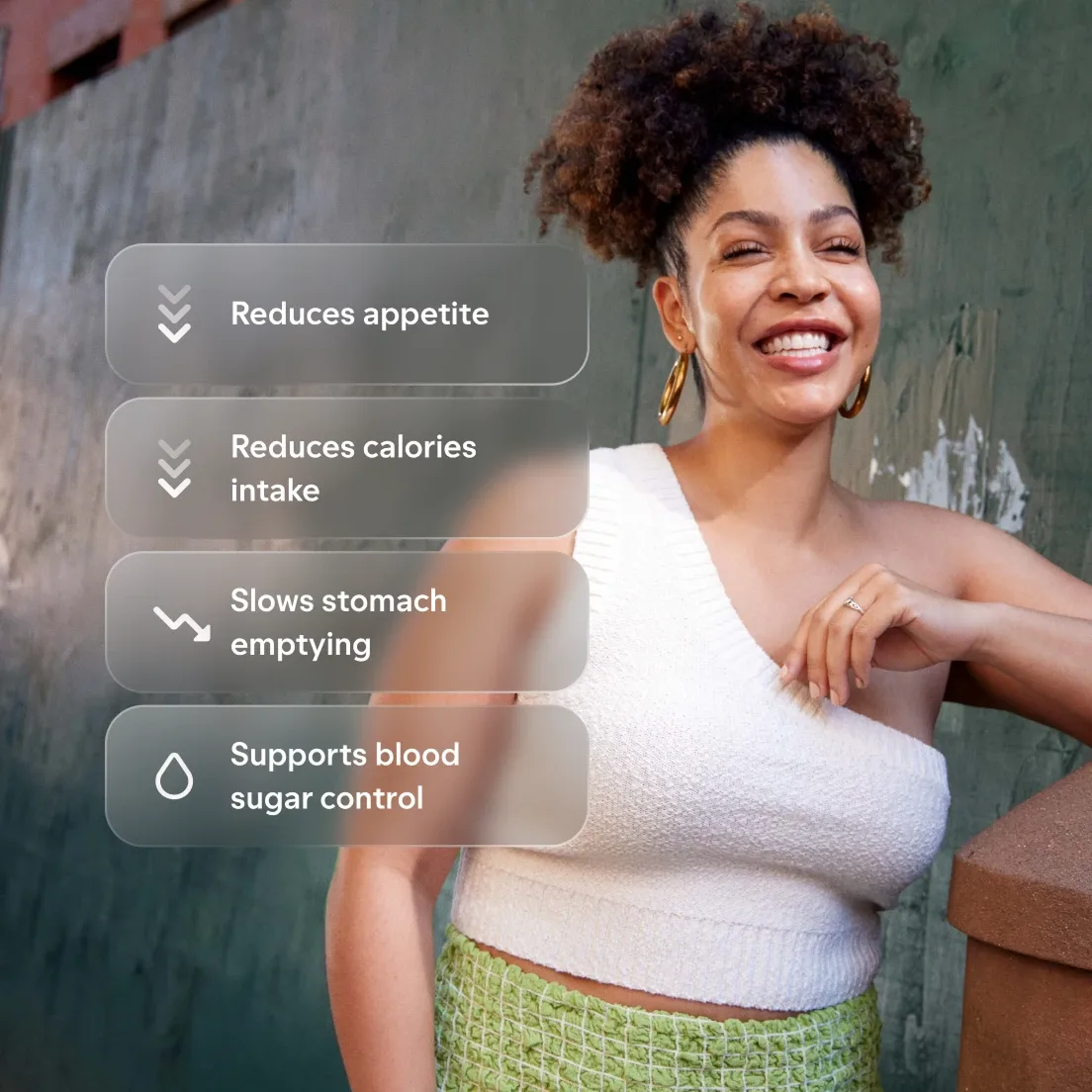
About Mounjaro®
Mounjaro® is different from single action GLP 1 treatments because tirzepatide activates 2 hormone pathways involved in appetite, digestion and blood sugar control.
Mounjaro® is licensed in the UK for weight management and for type 2 diabetes. When it is prescribed for weight loss, the goal is weight management alongside a reduced calorie diet and increased physical activity.
How do Mounjaro® injections work?
Tirzepatide is a dual GIP and GLP-1 receptor agonist. It activates receptors for two hormones your body already makes, influencing signals between your brain, gut and pancreas.
How does Mounjaro®support weight loss
Slows digestion and the time it takes your stomach to empty.
Reduces your appetite, quietening food noise and helping you feel fuller for longer.
Reduces how much sugar your liver releases, which can support the way your body uses and stores fat.
Helps regulate blood sugar by increasing insulin release when blood sugar is high and helping your body respond to insulin more efficiently.
Eligibility for Mounjaro®
Side effects are most likely when you first start taking Mounjaro® and whenever you increase your dose. Some people also find that they get side effects directly after each injection for a few hours or days.
Am I eligible for Mounjaro®?
For weight management, Mounjaro® is licensed for adults who meet one of these criteria:
A BMI of 30 or higher.
A BMI of 27 or higher, alongside at least one weight related health condition, such as high blood pressure, high cholesterol, sleep apnoea, cardiovascular disease, prediabetes or type 2 diabetes.
People from some ethnic backgrounds may be assessed at a lower BMI because their risk of weight related conditions can rise earlier. This includes South Asian, Chinese, other Asian, Middle Eastern, Black African and African Caribbean backgrounds.
If you already take Mounjaro® or have used another weight loss medication, your Hers clinician will assess your previous dose, response and side effects individually.
Occasionally, a Hers clinician may consider prescribing outside the licensed criteria where it is clinically appropriate. This is called off label prescribing. We will explain why it is being considered and ask for your consent before treatment.
Eligibility is confirmed by a prescriber, and Mounjaro® isn't suitable for everyone.
Who should not take Mounjaro®?
Meeting the BMI requirements for Mounjaro® doesn’t guarantee treatment. We’ll also check whether it’s suitable for you as an individual.
Mounjaro® may not be suitable for you to take if you:
Are under 18
Are pregnant, breastfeeding or planning to get pregnant
Are allergic to tirzepatide or any other ingredient in Mounjaro®
Have type 1 diabetes
Have a severe stomach or bowel condition, such as gastroparesis
Have ever had pancreatitis
Have diabetic eye disease, including diabetic retinopathy or diabetic macular oedema
Have severe kidney problems
Are already taking another GLP-1 medication, such as semaglutide or liraglutide
This list is not exhaustive. Tell your prescriber about all your health conditions and any medicines you take, and read the patient information leaflet that comes with your medication.
How to take Mounjaro®
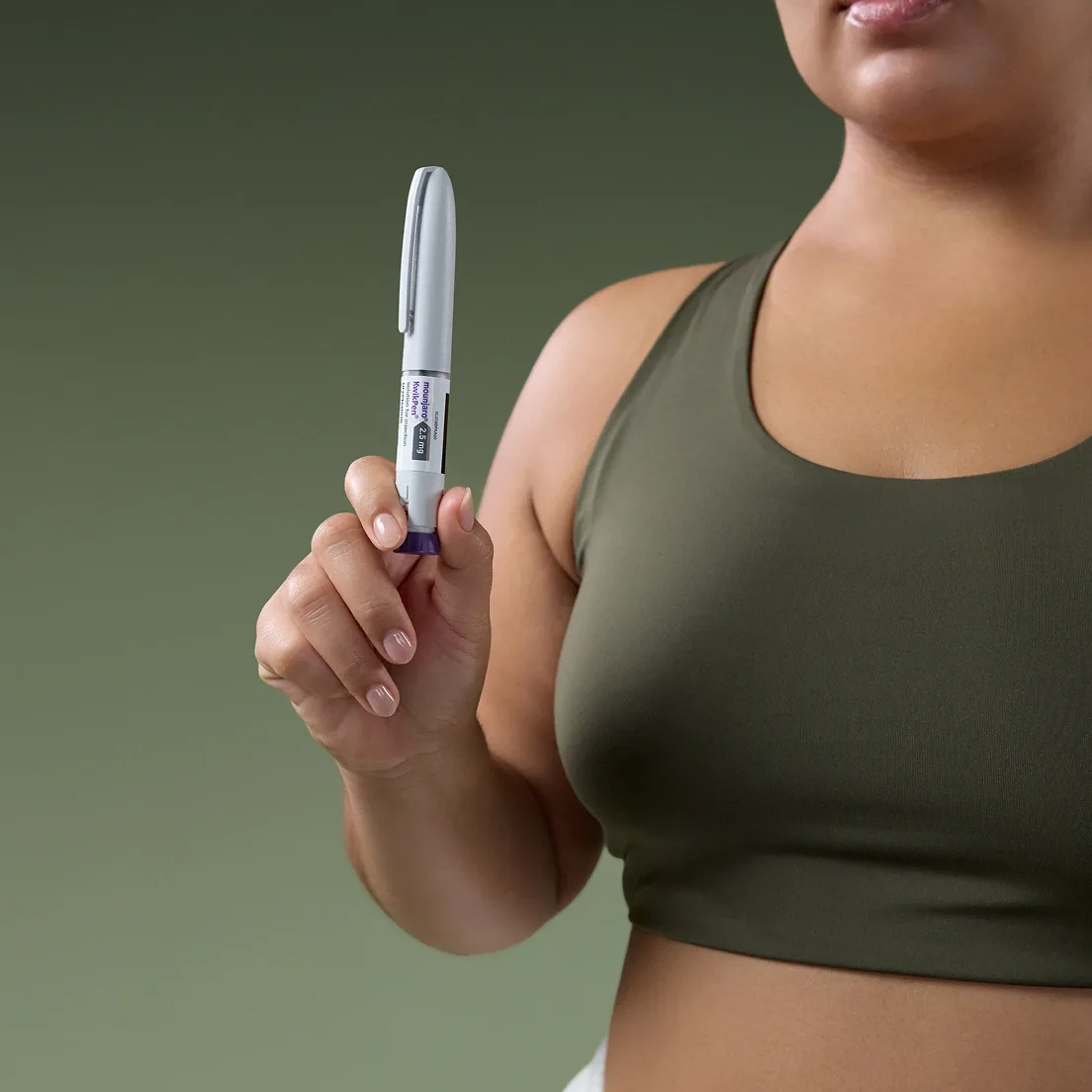
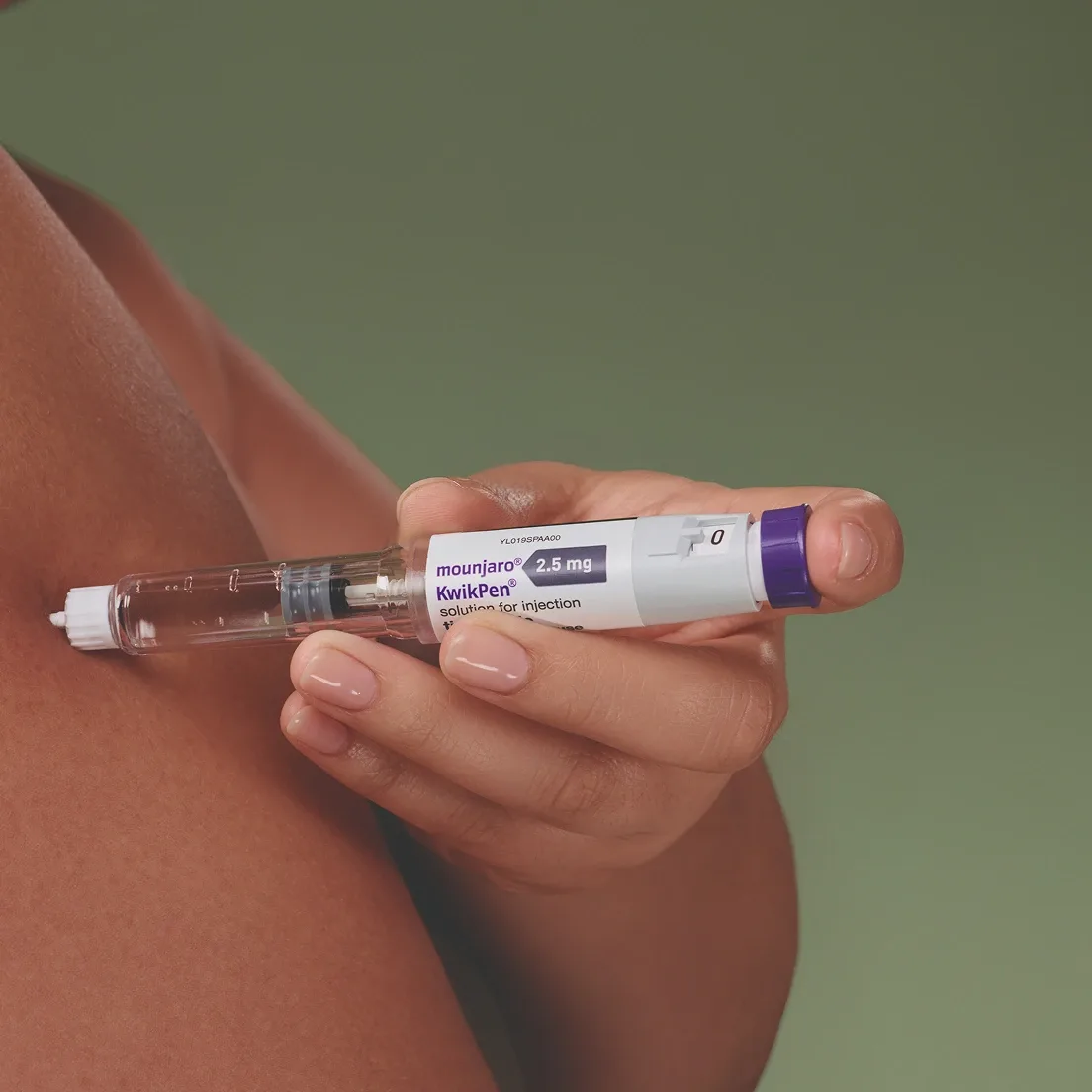
Doing your first injection can feel daunting. Mounjaro® uses a multi dose KwikPen® made for the UK market, and your treatment comes with full instructions and access to clinician support.
Where to inject Mounjaro®
If you feel you need a bit more information on where and how to insert your injection pen, that’s understandable.
There are 3 possible areas you can inject your Mounjaro®:
Stomach area, not including the belly button.
Upper thighs.
Back of the upper arm, only if someone else is doing your injection for you.
There is no evidence that using any of these sites over the others makes your medication more or less effective.
Make sure you rotate injection sites each time. You don’t have to move areas – you can use the stomach twice in a row. You just need to leave a 2.5 to 3cm gap between your last injection and your next one. Also avoid any areas of the skin that are bruised, red, hard or irritated. You can contact your Hers clinicians for support if there is any concern about injection site. irritation to help manage this.
You can contact your Hers clinicians for support if there is any concern about injection site irritation to help manage this.
How to use Mounjaro®, step by step
When the time comes to use your Mounjaro®, here’s what to do. Follow these steps and you’ll be able to self-inject your treatment with confidence.
Step 1: Prepare your pen and needle
Wash your hands: Use soap and water.
Check the pen and label: Make sure the pen contains Mounjaro® at your prescribed strength, has not expired and is not damaged or frozen.
Inspect the liquid: It should be clear and colourless to slightly yellow, with no particles. Do not use the pen if the liquid is cloudy, discoloured or contains particles.
Clean the seal: Pull the pen cap straight off and wipe the red inner seal with a swab.
Attach a new needle: Remove the paper tab, push the capped needle straight onto the pen and twist until it is secure. Use a new compatible needle for every injection.
Expose the needle: Pull off the outer needle shield and keep it for later. Remove the inner needle shield and put it in your household bin.
Step 2: Prime your pen
Prime your Mounjaro® KwikPen® before every injection, even if you have already used that pen.
Turn to the prime position: Slowly turn the dose knob until you hear two clicks and the extended line appears in the dose window. Align it with the dose indicator.
Move air bubbles: Hold the pen with the needle pointing upwards and gently tap the cartridge holder so any air bubbles rise to the top.
Check the flow: Press the dose knob until it stops and slowly count to 5five. A small amount of medicine should appear at the needle tip.
If no medicine appears: Repeat the priming process up to 2 more times. If there is still no medicine, replace the needle and try once more. Contact your Hers clinician if the pen still does not prime.
Step 3: Set and inject your dose
Choose your injection site: Use your stomach, at least 5 cm from your belly button, or your thigh. The back of your upper arm should only be used if someone else gives you the injection. Rotate your injection site each week. You can use the same general area, but choose a different spot within it.
Set the dose: Turn the dose knob until it stops and the full dose symbol appears in the dose window. This represents one complete weekly dose. Do not count clicks or use the marks on the pen as dose indicators.
Inject and count: Insert the needle under your skin. Press the dose knob all the way in, keep it pressed and hold the needle in place while you slowly count to 5.
Check the dose window: Remove the needle and check that the full dose has been delivered. If the full dose symbol is not visible, do not redial the dose. If you are still unsure whether you received the full dose, do not start again or repeat the injection. Contact a healthcare professional for advice.
Check the injection site: A drop of medicine on the needle tip is normal. If you see blood, press the area lightly with gauze or cotton wool. Do not rub it.
Step 4: Remove the needle and store your pen safely
Cap the needle: Carefully replace the outer needle shield without touching the needle.
Remove and discard the needle: Unscrew the capped needle and place it straight into your sharps bin. Never store the pen with a needle attached.
Replace the pen cap: Put the cap back on after every use. A used pen can be stored at room temperature up to 30°C. Keep it away from heat and out of the sight and reach of children.
Dispose of the pen: Throw it away after four weekly doses or 30 days after first use, even if medicine remains. Follow the disposal instructions provided by your clinician or pharmacist.
Does the Mounjaro® injection hurt?
It’s understandable that you might have some reservations about injecting yourself, but there are a few things to keep in mind that might make it less daunting:
Mounjaro® needles are much smaller than needles for vaccines or blood tests. The needle only needs to reach under the skin and not into your muscles or veins.
The feeling of self-injecting is described as a brief pinch or sting.
You’ll have detailed instructions to help you. Your Mounjaro® will come with a step-by-step guide on how to use it.You can refer back to this page when you’re ready to inject and if you have any doubts, message a Hers clinician via your Hers App.
Mounjaro® doses
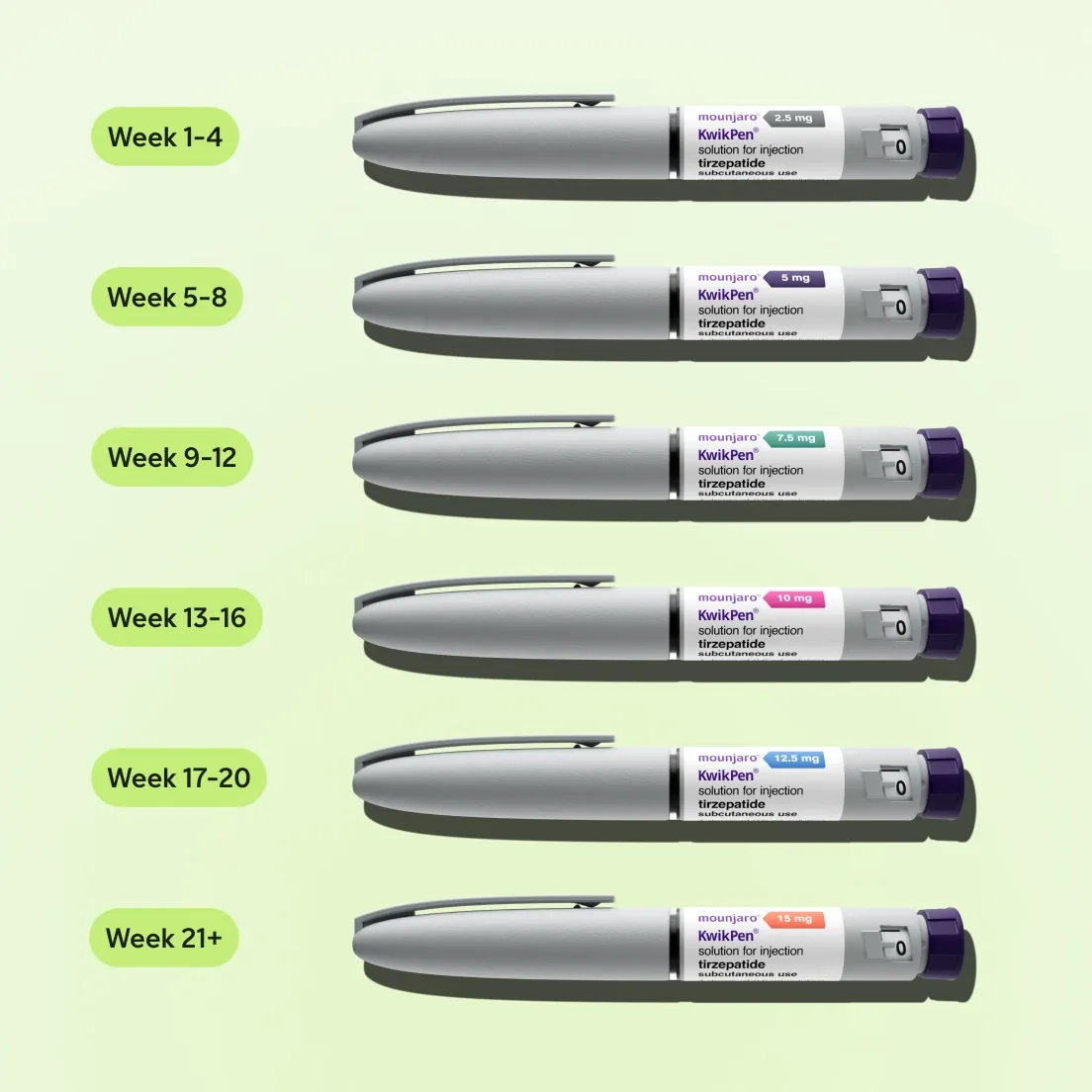
There are 6 Mounjaro® doses to choose from, but you normally start at the lowest and titrate the doses. Once you find the dose that suits you, you can usually stay on it long term, as long as you have none or only minimal side-effects.
Which Mounjaro® doses are available?
Each KwikPen® contains 4 weekly doses. Every dose is 0.6 mL, with the amount of tirzepatide changing by strength.
2.5 mg — Starting dose, taken during Weeks 1 to 4.
5 mg — Recommended maintenance dose, taken during Weeks 5 to 8.
7.5 mg — Dose increase step, taken during Weeks 9 to 12.
10 mg — Recommended maintenance dose, taken during Weeks 13 to 16.
12.5 mg — Dose increase step, taken during Weeks 17 to 20.
15 mg — Recommended maintenance dose and maximum dose, taken from Week 21 onwards.
You spend at least 4 weeks on each dose before any increase. Reaching 15 mg takes at least 20 weeks.
In reality, you don’t have to move up until you’re ready, or you can choose to stay at a lower dose if that works better for you. You can also move down doses if you find the effects of your current dose are too strong or you’re having side effects you find hard to manage. Clinicians at Hers are here to tailor your personalised weight loss plan to your needs.
Hers clinicians track how you're actually responding to your dose, and adjust with you, not just to you. It’s their job to check treatment is safe, and you’re using a dose you’re comfortable with. If you have any concerns about your Mounjaro® dose, message them via your Hers App for advice and read our guide on Mounjaro dosage.
What if I miss a dose?
If you miss a dose, it's understandable to worry that it will set you back, but in most cases it won't. Missed doses can usually be solved without disruption to your treatment plan. What you need to do depends on how long it’s been since your last dose.
If it is 4 days or less since you should have injected tirzepatide, use it as soon as you remember. Then inject your next dose as usual on your scheduled day.
If it is more than 4 days since you should have injected tirzepatide, skip the missed dose. Then inject your next dose as usual on your next scheduled day. Do not take a double dose to make up for a forgotten dose. The minimum time between two doses must be at least 3 days.
If you're unsure, please contact a clinician at Hers for advice.
If your dose is late or you skip one, your appetite may come back temporarily. This shouldn't impact your weight loss too much.
Important: Never take 2 doses close together to make up for a missed one. Doing this could put you at risk of serious side effects.
How do I stay on top of my doses
Timing your doses properly is important to keep the amount of medication in your body consistent and avoid big swings in your appetite or upsetting your digestive system.
A few tips that may help you manage your injections include:
Setting an alarm on your phone.
Using a calendar app to set a reminder.
Using a dose tracking app.
When should I increase my dose of Mounjaro®?
There is no single right time to increase your Mounjaro® dose. It depends on how well you tolerate the medication, how your body feels and whether your current dose is still working effectively.
As a general rule, you have to stay on each dose for at least 4 weeks, but that doesn’t mean you have to move up as soon as that period ends.
Increasing your dose gradually is important for making sure your body has time to get used to the current level of medication. This helps prevent side effects and your appetite dropping too quickly. All healthcare providers will follow this style of prescribing.
How will I know when I am ready to increase?
Move up if:
You've taken the same dose for at least 4 weeks.
You're tolerating it well.
You’re not experiencing the desired effects on your cravings, appetite and weight.
Stay on the same dose if it's already working, or you just need more time:
You'd like more time to adjust before moving up.
Your side effects are mild and manageable.
Your appetite feels manageable.
Food noise has quietened down.
You're happy with the weight you're losing.
Slow down if:
You're experiencing strong side effects that are difficult to manage.
You're finding it difficult to eat enough.
How to find your Mounjaro® maintenance dose
There isn’t one single maintenance dose. Eli Lilly officially recommends 5mg, 10mg and 15mg, but in practice, any of the 6 doses can work as a maintenance dose.
Once you’ve reached your goal weight, your treatment shifts from losing weight to keeping it off and staying at your current weight. Your maintenance dose is the dose you and your prescriber agree on to help you achieve this.

Side effects and warnings
Side effects are most likely when you first start taking Mounjaro® and whenever you increase your dose. Some people also find that they get side effects directly after each injection for a few hours or days.
Very common side effects
May affect 1 in 10 people or more:
Feeling sick (nausea)
Diarrhoea
Throwing up (vomiting)
Constipation
Stomach pain
Low blood sugar, but only when Mounjaro® is used alongside insulin or certain diabetes medicines called sulphonylureas
Common side effects
May affect up to 1 in 10 people
Indigestion
Allergic reactions
Injection site reactions
Dizziness
Low blood pressure
Bloating
Burping
Gas
Reflux or heartburn
Hair loss
Tiredness
Increased levels of pancreatic enzymes, such as amylase and lipase
Increased level of calcitonin
Gallstones
Uncommon side effects
May affect up to 1 in 100 people
Low blood sugar (when used alongside metformin)
Increased heart rate
Injection site pain
Gallbladder inflammation (cholecystitis)
Change in sense of taste
Skin sensation change
Serious side effects – seek medical help immediately.
Acute pancreatitis: Signs to watch for are severe or persistent stomach pain, which may spread to your back, along with nausea or vomiting. If pancreatitis is confirmed, Mounjaro® must not be restarted. (May affect between 1 in 1,000 and fewer than 1 in 100 people).
Severe allergic reactions, such as anaphylaxis or angioedema: Signs include swelling of your face, lips, tongue or throat, difficulty breathing, or a widespread rash. Get emergency help straight away if this happens. (May affect between 1 in 10,000 and fewer than 1 in 1,000 people).
Important: if you notice these symptoms, stop taking Mounjaro® and get urgent medical help. Call 111 or 999, or go to A&E.
Can I take Mounjaro® with other medication?
Tell your Hers clinician about all the medications you take before starting Mounjaro®, including anything you buy without a prescription and any supplements. This is especially important for:
Other GLP-1 or GIP treatments
Insulin or sulfonylurea-based diabetes medicines. Combining these with Mounjaro® increases the risk of low blood sugar.
Contraceptive pills and Hormone Replacement Therapy (HRT) taken by mouth
Other oral medicines. Mounjaro® delays stomach emptying and can change how quickly some medicines are absorbed. This matters most for medicines with a narrow therapeutic index, such as warfarin, digoxin and certain anti epileptic medicines.
This list isn't exhaustive. Always give your prescriber your full medical history so they can check Mounjaro® is right for you.
What should I do if I experience side effects?
If you do get side effects, you can often manage them at home with the side effect kit included in your first order and with simple remedies and lifestyle changes.
Eat smaller meals and eat slowly
Choose bland, low-fat foods, especially if you feel sick or have indigestion
Drink plenty of fluids, taking small sips rather than large amounts at once
Stay upright after eating and avoid eating close to bedtime
Stay active and gradually increase fibre if you’re constipated
Keep track of symptoms, especially how often you have diarrhoea or feel sick
Side effects can sometimes require over-the-counter or prescription medications as well. Message a Hers medical support team through your Hers App if you need any help dealing with possible side effects. Important: It is good to be aware of rare and more serious side effects as well, just in case you do get them and you need to get urgent medical help. You can find these in the patient information leaflet that comes with your Mounjaro®. If you think this applies to you, don’t wait for a response from a Hers clinician; instead call 111 or 999.
Fertility, Hormones and Mounjaro®
Side effects are most likely when you first start taking Mounjaro® and whenever you increase your dose. Some people also find that they get side effects directly after each injection for a few hours or days.
Does Mounjaro® affect fertility?
There is no strong evidence that Mounjaro® has a long-term negative effect on fertility, but losing weight can indirectly improve fertility. This is mainly due to improvements in fertility-related hormone levels, and improved menstrual regularity and ovulation that come with losing weight. On the other hand, rapid weight loss can also cause periods to stop or become irregular.
Emerging research suggests that tirzepatide may have reproductive benefits for some women with PMOS who are overweight or obese. In a small 2026 randomised trial, women treated with tirzepatide alongside metformin experienced greater weight loss and improvements in menstrual-cycle regularity and pregnancy rates than those taking metformin alone. However, more research is needed to determine whether tirzepatide itself improves fertility*.
*Yang Z, et al. Short-Term Combined Treatment With Tirzepatide and Metformin for Overweight/Obese Chinese Women With Polycystic Ovary Syndrome: A Prospective, Open-Label, Randomised Controlled Trial.

Switching from Wegovy® to Mounjaro®
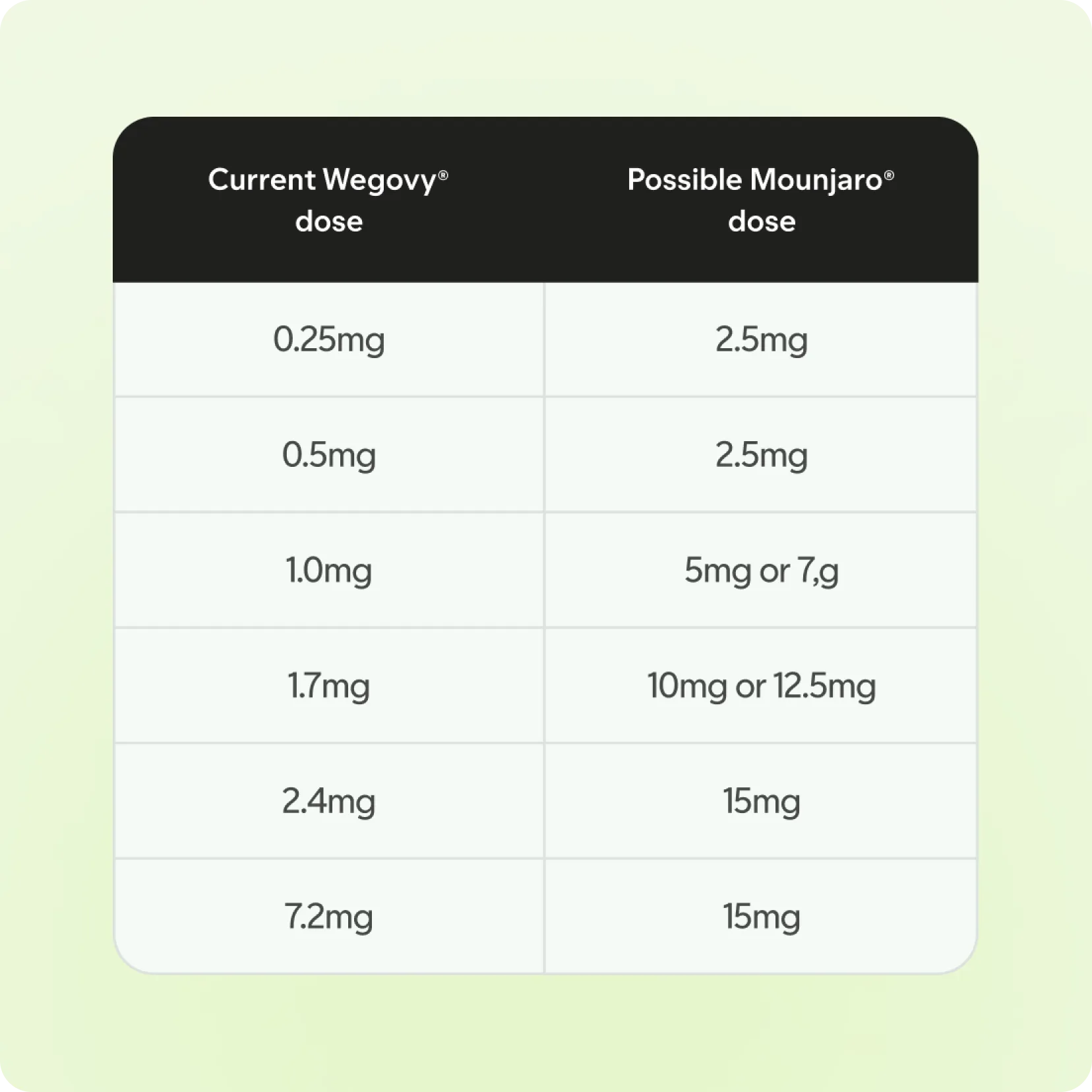
Switching treatment does not always mean starting from the beginning. A Hers clinician will check your current dose, side effects and response before choosing a suitable Mounjaro® dose.
How to switch from Wegovy® to Mounjaro®?
May affect 1 in 10 people or more:
Feeling sick (nausea)
Diarrhoea
Throwing up (vomiting)
Constipation
Stomach pain
Low blood sugar, but only when Mounjaro® is used alongside insulin or certain diabetes medicines called sulphonylureas
Frequently asked questions about Mounjaro®
Mounjaro FAQs
Is Mounjaro® safe?
If a Hers clinician has approved treatment, then Mounjaro® can be considered safe for you to take. There is always some risk involved with taking medications, but most side effects of Mounjaro® are mild and manageable. To make sure Mounjaro® is as safe as possible, try to give honest and accurate answers on your health intake form.
What if I’m not losing weight on Mounjaro®?
If you’re still at the start of your treatment, then it can take time to see significant weight loss. Revisit your diet and exercise plan, and continue to increase your dose if you feel comfortable. Eventually, you should start to see your weight come down.
If you’re already on the highest dose and you’re still not seeing results, you may need to think about switching treatment. A Hers clinician can help you switch to another suitable treatment, where possible.
Is there a tablet version of Mounjaro®?
No, there is currently no approved oral version of tirzepatide (Mounjaro®). Other GLP-1 weight loss treatments are available as tablets, for example, the Wegovy pill® or Foundayo®, which may be more suitable for you. A Hers clinician can help you compare them.
Can you get Mounjaro® on the NHS?
Yes, but there are stricter eligibility criteria for NHS weight loss injection treatment*. You will also need to get a referral to a specialist weight management clinic first.
*NHS England. Weight management injections.
What alternative weight loss medications are there?
If you’re not sure whether Mounjaro® is right for you, or you want to compare your options, there are a number of other treatments available in the UK:
Other weight loss injections, like Wegovy® and Nevolat
GLP-1 weight-loss medicines are now available as tablets as well as injections, including the Wegovy® pill and Foundayo®
A non-GLP-1 appetite suppressing pill called Mysimba®
Orlistat-containing medications, which reduce the fat you absorb from food, including generic orlistat, Xenical®, alli® and Orlos®
What is the difference between Mounjaro® and Zepbound®?
Mounjaro® and Zepbound® both contain the same active ingredient, tirzepatide, made by the same manufacturer, and come in the same 6 doses.
The difference is how they're licensed. In the US, Eli-Lilly uses two brand names: Mounjaro® for type 2 diabetes, and Zepbound® for weight management and obstructive sleep apnoea. In the UK there's no Zepbound® as Mounjaro® covers both weight management and type 2 diabetes.
How much does Mounjaro® cost through Hers?
Through Hers, Mounjaro® treatments start for as low as £129/month for a 6 month plan* if a clinician determines treatment is right for you.
Your exact monthly price will depend on your plan and, where applicable, your dose. We will always show the full cost clearly before you pay.
*Plans are charged upfront. Actual cost may vary depending on the plan length.
Sources
British Menopause Society. (2025). Use of incretin based therapies in women using hormone replacement therapy. https://thebms.org.uk/wp-content/uploads/2025/05/23-BMS-TfC-Use-of-incretin-based-therapies-APRIL2025-E.pdf
Eli Lilly and Company Limited. (2026). Mounjaro® KwikPen® solution for injection in pre-filled pen: Patient Information Leaflet (PIL).
Eli Lilly and Company Limited. (2026). Mounjaro® KwikPen® 2.5mg solution for injection in pre-filled pen: Summary of Product Characteristics (SmPC). https://www.medicines.org.uk/emc/product/15481/smpc
Jastreboff AM, et al. (2022). Tirzepatide Once Weekly for the Treatment of Obesity (SURMOUNT-1). https://www.nejm.org/doi/full/10.1056/NEJMoa2206038
NHS England. Weight management injections. https://www.england.nhs.uk/ourwork/prevention/obesity/medicines-for-obesity/weight-management-injections/
Tchang BG, et al. (2025). Body weight reduction in women treated with tirzepatide by reproductive stage: a post hoc analysis from the SURMOUNT program. https://pubmed.ncbi.nlm.nih.gov/40074721/
Yang Z, et al. (2026). Short-Term Combined Treatment With Tirzepatide and Metformin for Overweight/Obese Chinese Women With Polycystic Ovary Syndrome: A Prospective, Open-Label, Randomised Controlled Trial.

Win some, lose some
Free assessment by a medical clinician through Hers
No in-person visit required
Personalised to your unique needs